TRANSFORM: rethinking crop rotations for future climates
European agriculture is facing more intense droughts, irregular rainfall and declining yields. TRANSFORM supports farmers develop more resilient cropping systems, which are better adapted to the climates of tomorrow.
Our goal is to create the tools needed so that farmers can design climate-resilient cropping systems that they feel are acceptable and that respond to the needs of policy-makers and the wider public from an economic, agricultural and environmental perspective.
What is TRANSFORM?
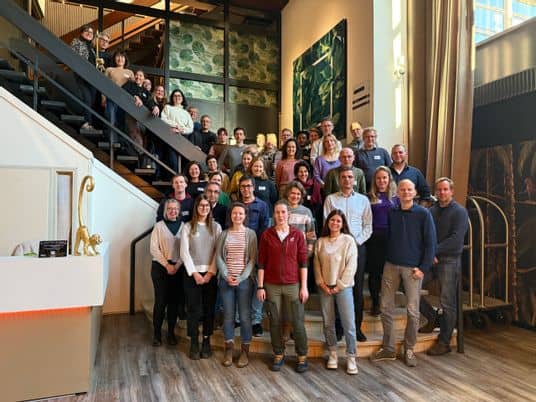
TRANSFORM brings together farmers, researchers, advisors and regional stakeholders to develop climate-smart agricultural practices. The focus is on innovative crop rotations as a nature-based solution to support agriculture in its adaptation to the challenges of climate change.
Cutting-edge scientific research and practical field experience are combined within the project. TRANSFORM integrates climate modelling, agronomic simulations, economic analysis and data visualisation to anticipate how crops will perform in future climate conditions.
These innovations are applied in 8 pilot regions in Europe’s Atlantic biogeographic area to design new cropping systems that are productive, profitable, environmentally sound and tailored to the local area.
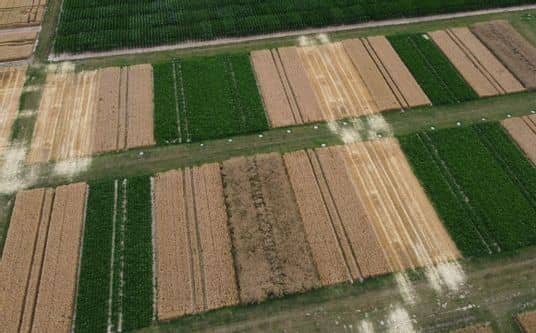
TRANSFORM applies a collaborative, step by step approach:
Sharing knowledge across Europe: ensure that tools and methods can be transferred and used beyond the pilot regions
Understanding regional challenges: assess soils, climate trends, current rotations and local constraints
Co-designing solutions: work with farmers and advisors to explore rotation options adapted to future conditions
Developing innovative tools: adapt and create digital models and visualisation tools to help compare and select new crop sequences
Building regional roadmaps: define clear adaptation strategies tailored to each territory
Agriculture is experiencing higher variability in temperature and rainfall, impacting the yields of current crops are declining. In this video, find out how the TRANSFORM project aims to contribute to the development of clear strategies for tomorrow’s climate adaptation in agriculture.
Impact
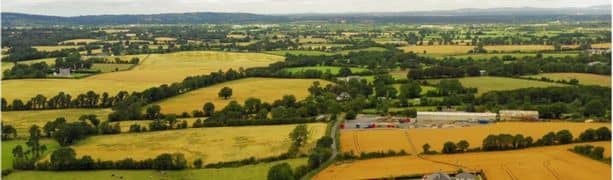
TRANSFORM aims to provide decision-support tools that can be used across Europe to:
Improve soil health, biodiversity and resource efficiency
Strengthen the sustainability and competitiveness of European agriculture
Guide regional authorities through evidence-based adaptation strategies
Support farmers in designing climate-resilient crop rotations
TRANSFORM in numbers
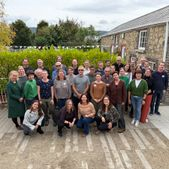
A diverse European consortium
Research institutes, universities, farms, chambers of agriculture and regional policy-makers collaborate to co-develop tools and strategies
Project funding
TRANSFORM is supported by €10 million from Horizon Europe and UK Research and Innovation to accelerate climate adaptation in European agriculture.
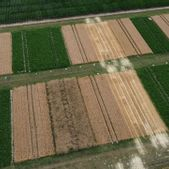
Pilot regions
8 regions across 7 countries are redesigning new crop rotations and co-designing adaptation strategies with local stakeholders
Crop rotations and climate change
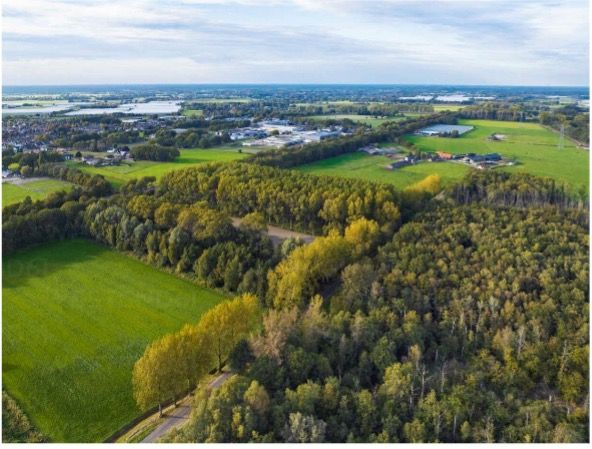
Climate change is accelerating, posing a severe threat to European agriculture. It will affect livelihoods, economic and food security, biodiversity, ecosystem services and individual and societal well-being.
About 6 million farms (98.9 million Ha in 2020) across Europe use crop rotations to manage arable crops for economic food, fibre and fuel production. Climate-driven changes in crop performance require rapid innovation of new rotations, incorporating new crops (both locally and regionally), for adaptation and tangible climate resilience.
Designing specific rotations can improve soil structure, enhance water retention and reduce the vulnerability of crops to extreme weather conditions. This can also contribute to improving yields, optimising soil nutrients and enhancing biodiversity.
TRANSFORM is therefore contributing to the EU Mission on Adaptation to Climate Change by innovating acceptable crop rotations as a nature-based solution for climate change adaptation and resilience.
Frequently asked questions
How is climate change impacting agriculture and cropping systems?
Climate change is already reshaping agriculture across Europe. Higher temperatures, more frequent droughts, irregular rainfall patterns and extreme weather events are affecting crop growth and reducing yields.
These changes disrupt planting calendars, weaken soil health and increase the pressure from pests and diseases. As a result, many traditional cropping systems are becoming less reliable and farmers must adapt their practices to remain productive and resilient.
What are crop rotations and why are they important?
Crop rotations are planned sequences of different crops grown on the same field over several years. Changing the type of crop each season helps maintain soil fertility, reduce pests and diseases and improve nutrient cycling. Rotations also support biodiversity and contribute to healthier, more resilient farming systems.
They are increasingly important in the context of climate change, as specific rotations can improve soil structure, enhance water retention and reduce the vulnerability of crops to extreme weather conditions.