 Central Jutland & Southern Denmark Denmark
Central Jutland & Southern Denmark is one of TRANSFORM's demonstration regions, coordinated by SEGES INNOVATION
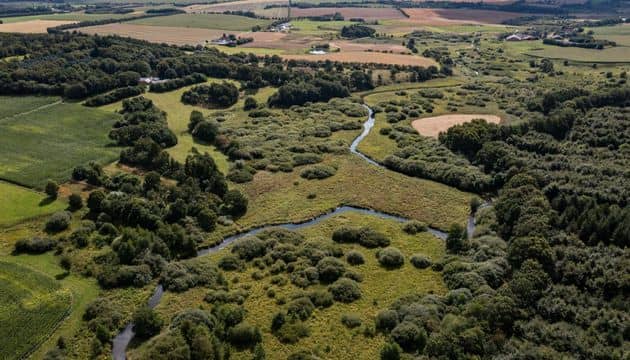
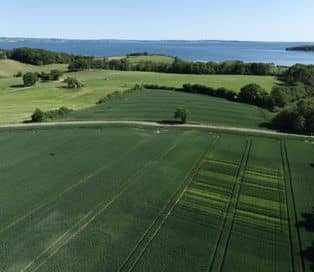
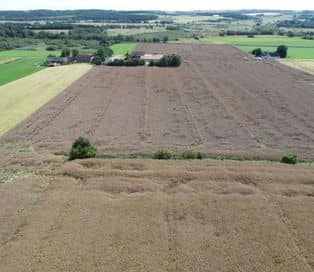
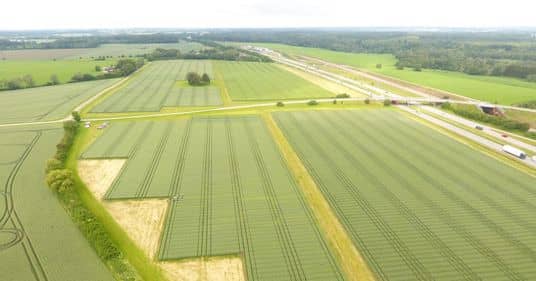
As two Danish regions greatly characterised by agriculture, Central Jutland & Southern Denmark jointly cultivate approximately 1,5 million hectares, which is close to 60% of the total cultivated area in Denmark. The two regions cover all crops commonly cultivated in Denmark, dominated by cereal and green fodder production.
Though the cultivated landscape is dominant in these regions, a wide variety of landscapes and soil types can be found, with marshes and heathland along the west coast, small river valleys and fjords towards the east coast. A soil type gradient from west to east, from light sandy soil to heavy clay soil, characterises the Jutland region.
Agriculture and climate change
Denmark has a distinct coastal climate but increasing climate variability shows through events such as heavy rain showers, drought periods, heat waves and storm floods, which all have increased.
New pests and diseases can be observed and decreasing possibility of chemical pest control poses a challenge.
Changes in temperature and precipitation
Climate change projections between 1991-2010 and 2041-2070 for this region*
| Season | Mean temperature | Precipitation |
| Winter | +1,29°C | +11,95mm |
| Spring | +1,45°C | +21,27mm |
| Summer | +1,29°C | -2,25mm |
| Autumn | +1,65°C | +13,22mm |
Adapting to new conditions
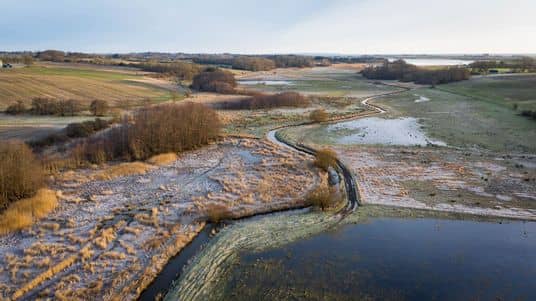
New methods, including longer, more diverse rotations, crop breeding with focus on resistance and IPM systems, are paving the way to a more sustainable future.
Adaptation must affect more than just the agricultural system but the whole ecosystem it is embedded in. This requires better management of water in the field and soil nutrients release into the water-environment. More climate adapted crops and varieties in rotation will be a key component.
It will be very useful to see the specific similarities and differences between regions and challenges, we can already learn from each other
Regional Leaders:
Maxie SKALSHØI
A structured MSc in Science with strong technical skills and field experience
SEGES INNOVATION
Leif Hagelskjær
SEGES INNOVATION
Senior Specialist