 The Gers France
The Gers in south-west France is one of TRANSFORM's demonstration regions, coordinated by GIP LIA
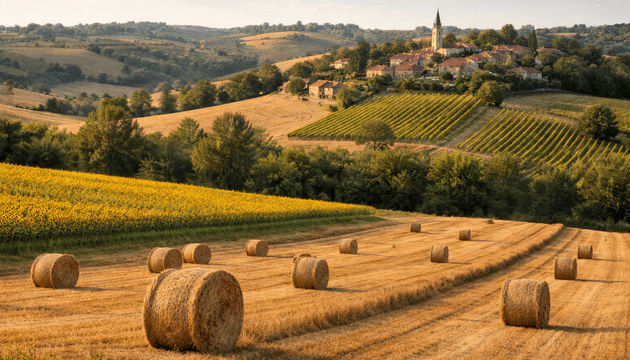
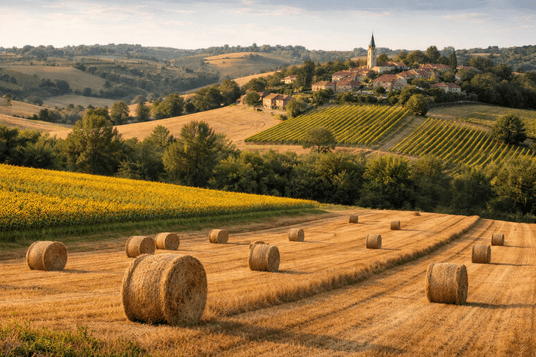
The Gers is part of the Occitanie/Pyrénées-Méditerranée region. It is known for its hilly, but low elevated landscape, in which agriculture is predominant. 71% of its total surface is dedicated to agriculture. The Gers has more than 80 natural rivers, divided in two main basins: the Neste and Gascony rivers basin, which covers most of the territory and the Adour River basin, which partially runs on the western part of the département.
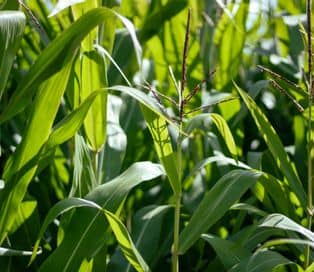
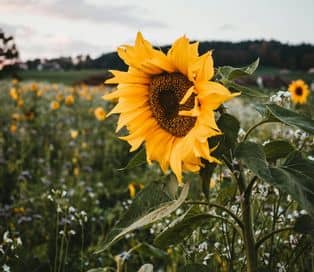
4 main winter crops (hard and soft wheat, barley, rapeseed) and 3 main spring crops (sunflower, corn, soya) are found in most rotations, especially in short ones.
Agriculture in the Gers is based on a diversity of pedoclimatic conditions andstrong identities that are built up mainly around a few crop sectors. This results in a range of highly diversified or, on the contrary, highlyspecialised agricultural practices depending on the area of the territory.
Agriculture and climate change
In the Gers, temperatures have risen by an average of 1.67°C in 60 years and the annual number of frost days has decreased over the last 30 years (-16 days on average). Evapotranspiration has already increased in 30 years (about 100 mm more per year). In the Nest River system, average flow rates are 10% lower than the 1950 baseline and are expected to fall 40% below current levels in the most critical low waterflow periods by 2050. Access to water on farms will become even more difficult.
Erosion is already a considerable problem in the Gers due to sloping farmland and the extensive use of ploughing to manage heavy soil structure and weeds. Soil loss due to climate change and without changes in practices (land use dynamics, weed management, etc.) will be a significant problem for the region’s production capacity. This phenomenon could be accompanied by an increase in pesticide leakage and pollution.
Changes in temperature and precipitation
Climate change projections between 1991-2010 and 2041-2070 for this region*
| Season | Mean temperature | Precipitation |
| Winter | +1,48°C | +14,91mm |
| Spring | +1,11°C | +0,16mm |
| Summer | +1,98°C | -27,41mm |
| Autumn | +2,18°C | -11,48mm |
Adapting to new conditions
The adaptation of agriculture in the Gers will depend on the ability of farmers and economic operators to organise new crop sectors (such as those based on protein crops), but also on the ability of policy makers to establish clear adaptation pathways and support plans for climate-resilient agriculture.
When you question the rotations, you question a lot of different factors [on farm] […] and particularly in the time of climate change. TRANSFORM is an opportunity to work on transversality and provides a space for trying new ways of thinking, methods and models
Regional Leaders:

Bruno LION
Director
GIP LIA

Mathilde HIBON
GIP LIA
Public Sector Innovation Project Officer