 Republic of Ireland Ireland
The Republic of Ireland is one of TRANSFORM's replication regions, coordinated by Airfield Estate
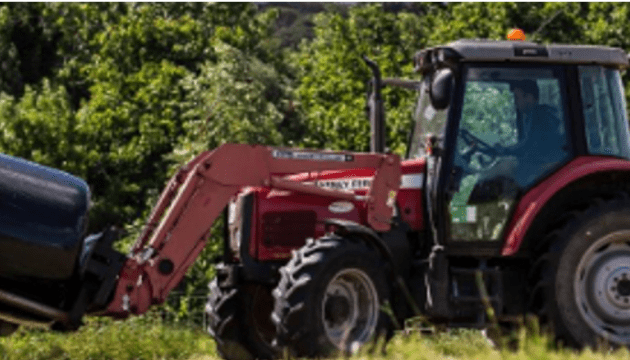
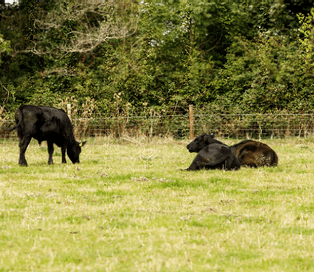
Agriculture is the dominant land use in Ireland, accounting for approximately 67.7% of national land cover. The sector is primarily grass-based, with around 84% of the agricultural area under grass in the form of silage, hay, and pasture. Ireland’s high rainfall and temperate maritime climate support grass growth for approximately nine to ten months of the year. As a result, beef and dairy production dominate the agricultural sector, together accounting for approximately two thirds of gross agricultural output.
The tillage (arable) sector is relatively small by comparison, accounting for approximately 6% of total agricultural land under cereals (265,592 ha). There are an estimated 6,246 tillage farms nationally. Barley, wheat, and oats are the most grown crops, primarily used for livestock feed and brewing or distilling. Oilseed rape, beans, and peas are also cultivated, mainly as break crops, while a smaller area is dedicated to root crops, with production focused largely on potatoes and sugar beet.
Crop rotations have historically played a more limited role in Ireland’s crop production systems than in many other countries. This reflects a tendency towards relatively high levels of continuous cereal production—particularly spring barley and winter wheat—linked in part to the limited availability of established markets for break crops. A typical rotation involves continuous wheat, barley, or oats, with a non-cereal break crop introduced approximately once every five years. The need to develop and expand markets for break crops has been widely recognised as important for improving the viability of more diverse rotations.
Historically, mixed farming systems supported crop yields in monoculture systems through relatively high levels of soil nutrients. However, soil fertility and soil organic matter have been in gradual decline since the 1970s, contributing to an increased reliance on external inputs. More recently, interest has grown in new and alternative crops, including protein crops (with a national target to double their cultivated area by 2030), native grains, oilseed rape, and purpose-grown energy crops.
Agriculture and climate change
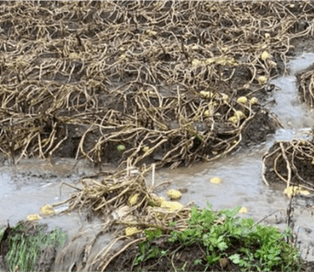
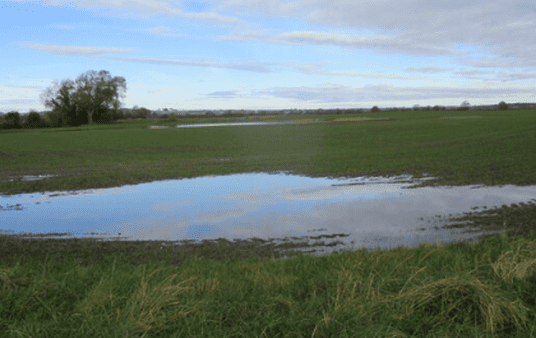
Agricultural systems in Ireland are increasingly exposed to weather variability, including periods of intense rainfall that can lead to inland and coastal flooding, waterlogged soils, and soil erosion. Rising temperatures and higher humidity levels may also contribute to increased pest and disease pressures, potentially leading to greater reliance on disease control measures and associated costs. In addition, rising fertiliser costs, driven by geopolitical tensions and increased energy prices, are placing further pressure on farmers. Together, these challenges highlight the need for improved soil resilience, stronger risk management approaches, and reduced dependency on external inputs.
Changes in temperature and precipitation
Climate change projections between 1991-2010 and 2041-2070 for this region*
| Season | Mean temperature | Precipitation |
| Winter | +1,15°C | +14,63mm |
| Spring | +0,81°C | +8,45mm |
| Summer | +1,42°C | -35,72mm |
| Autumn | +1,51°C | +3,37mm |
Adapting to new conditions
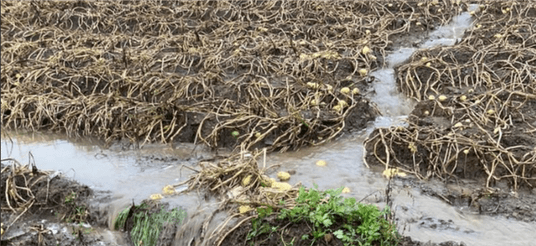
In response to increasing weather variability and other pressures, TRANSFORM explores adaptation opportunities that improve soil management, diversify crop rotations, and adopt farming practices that may enhance system resilience while reducing reliance on external inputs.
As a replication region in TRANSFORM, Ireland will demonstrate how crop rotation innovations can deliver nature-based solutions for climate adaptation in temperate farming systems
Regional Leaders:

Paul O’keeffe
ARIFIELD ESTATE
Head of Education and Research

Elaine CROSSE
ARIFIELD ESTATE
Head of Advocacy & Communication