 Noord Brabant & Zeeland Netherlands
Noord Brabant and Zeeland in The Netherlands is one of TRANSFORM's demonstration regions, coordinated by ZLTO
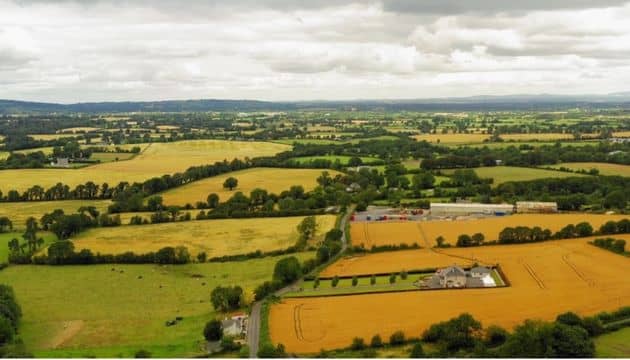
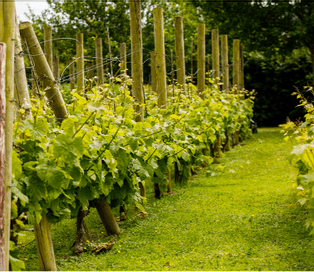
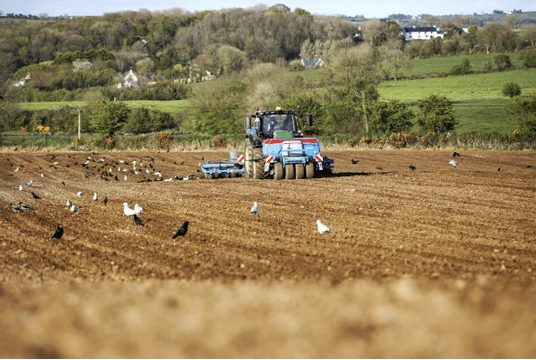
Zeeland has 119,011 ha of agricultural land, 80% of which is arable land, making it the province with the largest amount of arable farming in the Netherlands. This is due to its fertile marine clay soil shaped by centuries of river sedimentation and land reclamation. However, its coastal delta location and low-lying position make it vulnerable to saltwater intrusion, posing challenges for long-term agricultural sustainability.
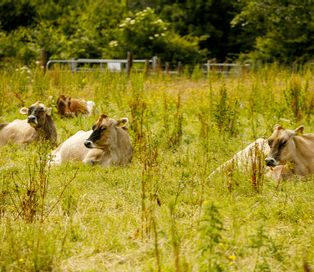
North Brabant has 234,000 ha of agricultural land (46% of the province) and 8,900 farms, combining arable farming, grasslands and livestock. As livestock farming declines, more land is becoming available for crop production, raising concerns about soil fertility due to lower manure availability. Additionally, restrictions near 21 Natura 2000 areas require balancing agriculture with conservation goals.
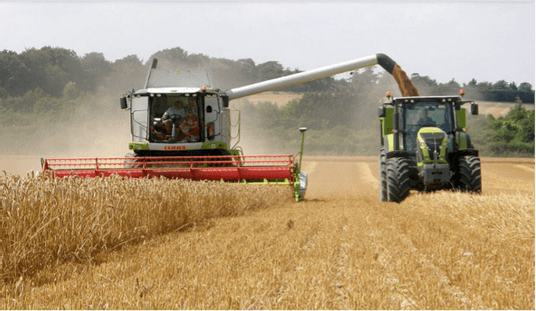
Zeeland’s agricultural land is 82,700 ha (69,5%) arable land, its main crops are potatoes, sugar beet, onions and wheat. The soil type is heavy clay and sandy loam.
North Brabant has 76,000 ha (15%) arable land and 138,000 ha (27%) of grassland and green fodder. Its main crops are maize, potatoes, sugar beet and wheat. The soil type is also clay and sandy loam.
Agriculture and climate change
Zeeland’s climate change vulnerabilities include drier summers and wetter winters with some extreme weather events. Soil salinisation and freshwater availability pose another major risk. In 2018 the drought led to a loss of 19.3 tonnes of the onion crop compared to previous year. Between 2018 and 2024, onion production (in ha) halved, mainly due to climate impacts (freshwater availability, salinity).
In North Brabent climate change has also led overall to drier summers and wetter winters, with some extreme weather events. In 2016 the area experienced a particularly wet harvesting period which affected significantly the potato yield with 15% of total planted area being lost. The dry growing season in 2018 let to the loss of 1.2 million tons of onions.
Changes in temperature and precipitation
Climate change projections between 1991-2010 and 2041-2070 for this region*
| Season | Mean temperature | Precipitation |
| Winter | +1,16°C | +9,64mm |
| Spring | +1,02°C | +26,96mm |
| Summer | +1,25°C | -3,17mm |
| Autumn | +1,68°C | +10,27mm |
Adapting to new conditions
Zeeland is addressing climate change in agriculture by promoting biodiversity, sustainable water use and soil improvement. The province supports organic farming, bio-based and protein crops and offers coaching on soil health. Measures include controlled drainage for freshwater management, efficient water use and research on nitrogen-freshwater interactions.
Farmers in North Brabant are improving water management, adopting drought-resistant crops and using soil retention techniques to adapt to climate change. The province supports farmers through land extensification, training and technical guidance. Efforts also focus on restoring forests and ecosystems while combating stream degradation and desiccation.
Regional Leader:

Carolina GATTORNO
Project expert Plant Health
ZLTO