 Thames River Basin District UK
Thames River Bassin District in the United Kingdom is one of TRANSFORM's demonstration regions, coordinated by NIAB
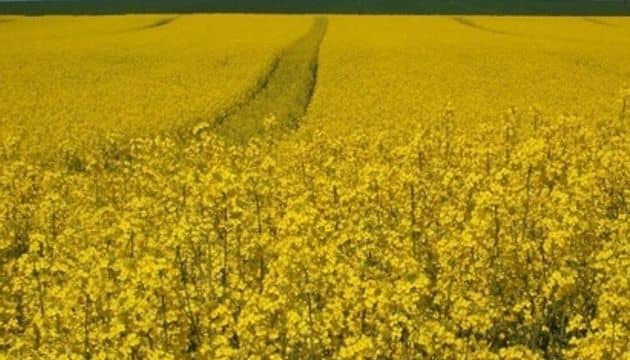
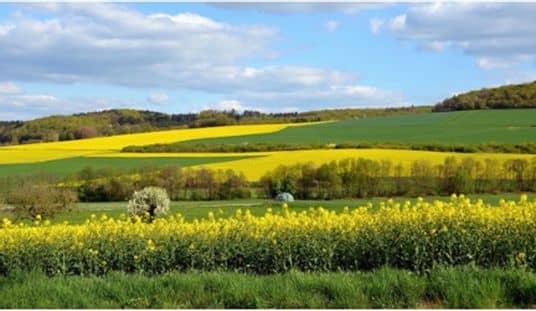
The Thames River Basin District (Thames RBD) covers an area of 16,133 km2 from the source of the River Thames in Gloucestershire through London to the North Sea. The urban areas of Greater London dominate the east of the region, TRANSFORM will be focussed in the west where there are considerable areas of agricultural land.
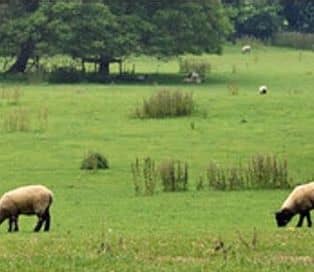
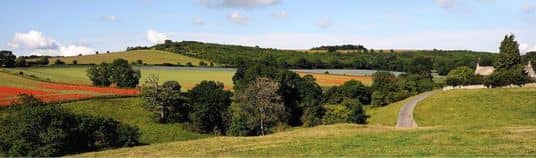
The rural landscape is characterised by rolling hills with shallow stony soils, especially in the Cotswolds and deeper medium and heavy (clay) loams. Agricultural production is dominantly arable with permanent pasture on steeper areas.
In the last 5 years, the area has seen an increasing diversity of break crops with reduced tillage intensity and integration of catch / cover crops.
Agriculture and climate change
Summers will become drier and winters wetter with an increase in extreme events. This may lead to a ‘droughty’, parched landscape of bleached grassland and ‘thin’ arable crops. There is also expected to be more risk of soil damage and water erosion affecting water quality.
Grass yields and some crop yields may increase due to an extended growing season, but with a greater variability in quantity and quality as a result of impacts on cultivation and sowing dates, harvesting, germination success as well as drought damage to crops.
Changes in temperature and precipitation
Climate change projections between 1991-2010 and 2041-2070 for this region*
| Season | Mean temperature | Precipitation |
| Winter | +1,17°C | +6,97mm |
| Spring | +0,90°C | +19,75mm |
| Summer | +1,40°C | -20,46mm |
| Autumn | +1,64°C | -7,01mm |
Adapting to new conditions
New and more resilient crop varieties and novel crops are likely to be adopted.
The tools that TRANSFORM is looking to develop could be very useful in helping inform conversations on farming, helping farmers to understand not just the challenges but also the opportunities
Regional Leader:

Elizabeth STOCKDALE
NIAB
Soil & Nutrient Management Research