Crop Rotations to protect the European countryside from fires and droughts
As heatwaves, droughts and wildfires intensify across Europe, crop rotations can help farmers build more resilient and sustainable agriculture.
This year’s heatwaves and droughts show the need for adaptation in European agriculture
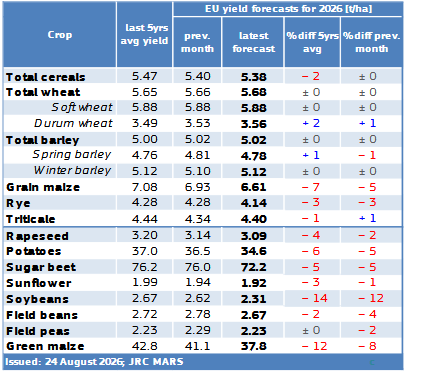
The countryside across much of central and western Europe was abnormally brown this summer due to a series of heatwaves and drought. Crops dried out and ripened too fast, and this led to lower food production (most crop yields this year are predicted to be below the 5 year average, with reductions of up to 14%; Table 1, from the JRC MARS bulletin), which could lead to higher prices for consumers. Fires were burning across many parts of Europe, generating a lot of media attention and showing the impacts of a changing climate.
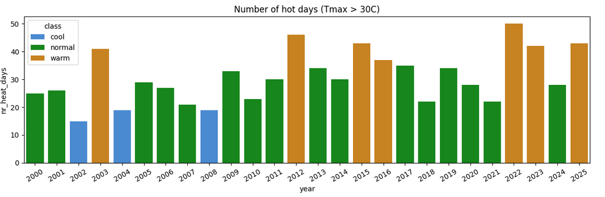
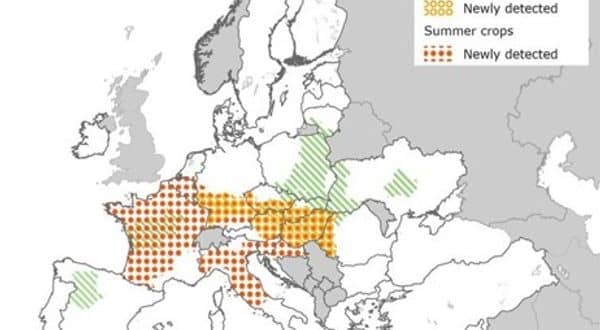
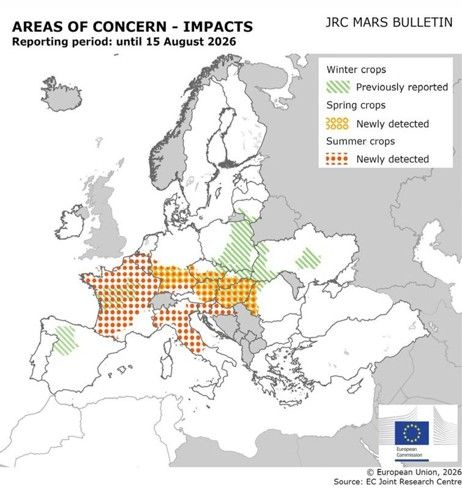
The last 10 years have seen heat record after heat record broken. But this is not all: hot and dry summers, torrential summer downpours (but not this year!), wet springs and unusually warm winters are all signs that of weather weirding, our climate and environment are changing (World in-Data on hot years (figure 2)). We can monitor these impacts on the ground (see map with Areas of Concern from the JRC, Figure 1) and carbon emission reductions will help to limit future climate change, but we need to act now to prepare for this changing climate. How will we grow food sustainably in a changing climate and how can we make agriculture and the countryside environment more resilient to future climate shocks?
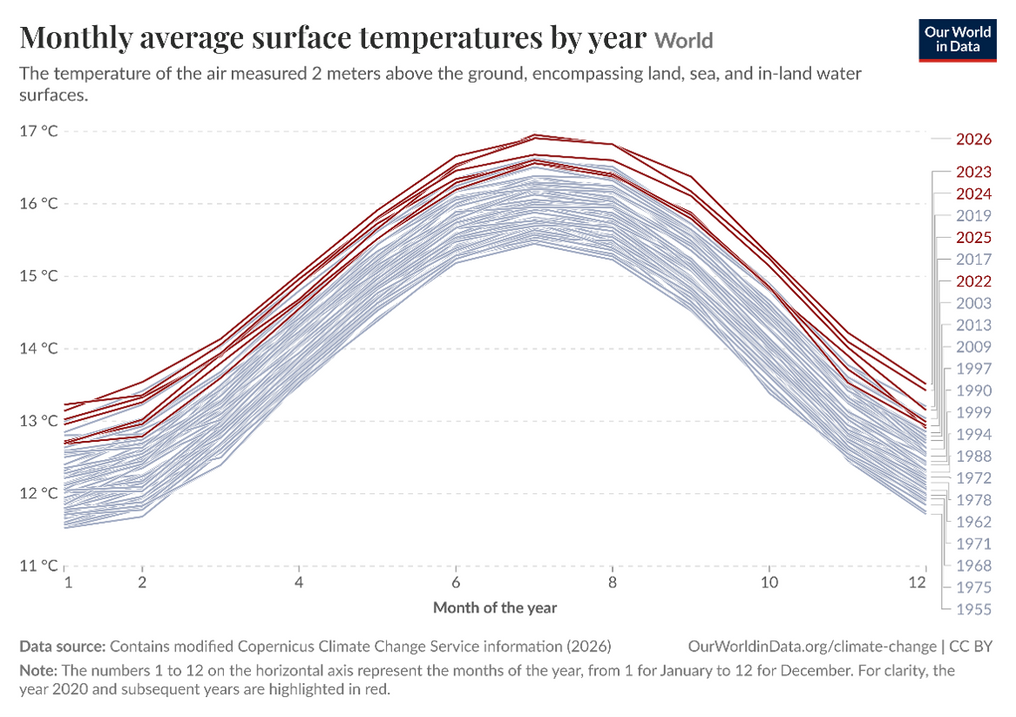
Growing the same crop everywhere increases our risk to extreme weather. Growing a diversity of crops is good for sustainability – economically and environmentally. A wide diversity of crops can be grown in Europe, many of which could grow in the conditions of climate change. The summer of 2026, following a decade of hotter and drier summers shows the need to design climate resilience into agriculture and the risks of not doing so.
The TRANSFORM project supports farmers to design and innovate new ‘crop rotations’ that are productive under climate change, better able to absorb climate shocks, and better for the environment and nature. Crop rotations are sequences of crops grown across fields– they used to be seen as an ‘old fashioned’ approach to arable farming, but they represent an essential decision by farmers to climate proof their crops against climate shocks. The TRANSFORM project gives farmers the power to adapt to climate change with practical solutions for productive and profitable agriculture that is more climate resilient.
Also in agriculture we should not just react when the fire is happening, but think ahead of the future and crop rotations allow to precisely do that. As TRANSFORM we are therefore working with farmers in regions across Europe to help them build rotations for the future, and to think about responses to climate change. We build tools that farmers can use, which show the climate impacts in their region, including the frequency of extreme weather, now and in the future (see Figure 3). Ultimately, we cannot fully prevent fires and droughts from happening, but we can make their likelihood and impact/size as small as possible.